
If you are trying to grow a small business online, keyword research is where everything begins. Without it, you are simply guessing what people are searching for, and that is one of the fastest ways to waste time in SEO.
In this guide, we are going to look at the best free keyword research tools for small business that actually help you discover real search terms people use on Google. Not theory, not complex dashboards, just practical tools you can start using immediately.
Most beginners think keyword research requires expensive software, but that is not true at all. In reality, many strong SEO strategies start with free tools that already give you access to real search behavior.
What you need at this stage is not complexity. You need clarity. You need tools that help you:
- find what people are searching for
- understand how they phrase their problems
- and turn those insights into content ideas
That is exactly what we are going to break down step by step.
Why Free Keyword Research Tools Are Enough for Small Businesses
Most small business owners assume they need paid SEO tools to compete, but that is not true at the early stage. Free keyword research tools are more than enough to get you moving in the right direction.
The main goal at this stage is not perfection. It is clarity. You need to understand what people are actually searching for, how they phrase their queries, and what problems they are trying to solve.
Free tools like search suggestions and basic keyword planners already give you real data based on user behavior. This means you are not guessing. You are working with actual search patterns that Google is already showing you.
Another important factor is competition. Small businesses do not need to target highly competitive keywords from day one. Instead, you should focus on long-tail keywords that are easier to rank for and more specific to user intent, which is why understanding long-tail vs short-tail keywords for small businesses becomes important.
Even experienced SEO professionals still use free tools during the early research phase because they provide raw keyword ideas without overcomplicating the process.
So instead of waiting to invest in expensive software, the smarter approach is to start with free tools and build consistency in how you research and apply keywords.
What to Look for in a Keyword Research Tool
Not every keyword research tool is useful for small businesses. Some give you too much data, some give unclear numbers, and some simply make the process more complicated than it needs to be.
At this stage, you are not looking for advanced SEO dashboards or complex analytics. You are looking for clarity. A tool should help you quickly understand what people are searching for and whether it is worth targeting.
There are a few key things that separate a useful tool from a distracting one, and understanding this also helps you figure out how to find the right keywords for your small business.
Search Volume Accuracy
Search volume shows you whether people are actually searching for a keyword or not. A useful keyword tool should give you a realistic range, even if it is not perfectly exact.
For small businesses, this is important because you want to focus on keywords that have real demand. If nobody is searching for a term, it will not bring traffic no matter how well you write the content.
Keyword Suggestions
A strong keyword tool should not stop at one idea. It should expand your main keyword into multiple related searches.
This matters because people search in different ways. They use variations, questions, and slightly different phrasing. Keyword suggestions help you capture all of that without guessing.
Competition Insight
Competition level tells you how hard it is to rank for a keyword.
As a small business, this is one of the most important factors. You should focus on keywords where competition is low to medium, because that is where new websites actually have a chance to rank.
Ease of Use
Even a powerful tool is useless if you do not use it consistently.
A good keyword research tool should be simple enough that you can open it, get ideas, and move forward without confusion. If the process feels complicated, you will avoid it, and your SEO system will break over time.
Best Free Keyword Research Tools for Small Businesses
You do not need expensive SEO software to start finding good keywords. There are several free tools that already give you enough data to build a strong content strategy.
The key is not how many tools you use, but how well you understand what each one is good for. Some tools help you generate ideas, some help you validate demand, and some help you understand real user behavior.
Below are the best free keyword research tools you can start using immediately.
Google Keyword Planner
Google Keyword Planner is one of the most reliable starting points for keyword research.
It gives you keyword ideas based on real search data from Google. You can see approximate search volume, competition level, and related keyword suggestions.
Even though it is built for ads, it works perfectly for SEO research, especially for small businesses trying to understand demand.
Ubersuggest
Ubersuggest is a beginner-friendly tool that simplifies keyword research.
It shows keyword ideas, search volume, SEO difficulty, and content suggestions in a very easy-to-understand format.
This tool is useful when you want a quick overview without diving into complex data.
AnswerThePublic
AnswerThePublic focuses on real user questions.
It takes a keyword and turns it into questions, comparisons, and related search phrases people are actually typing into Google.
This is extremely useful for content ideas because it directly reflects search intent.
Google Search (Autocomplete + Related Searches)
Google Search is one of the most underrated keyword tools.
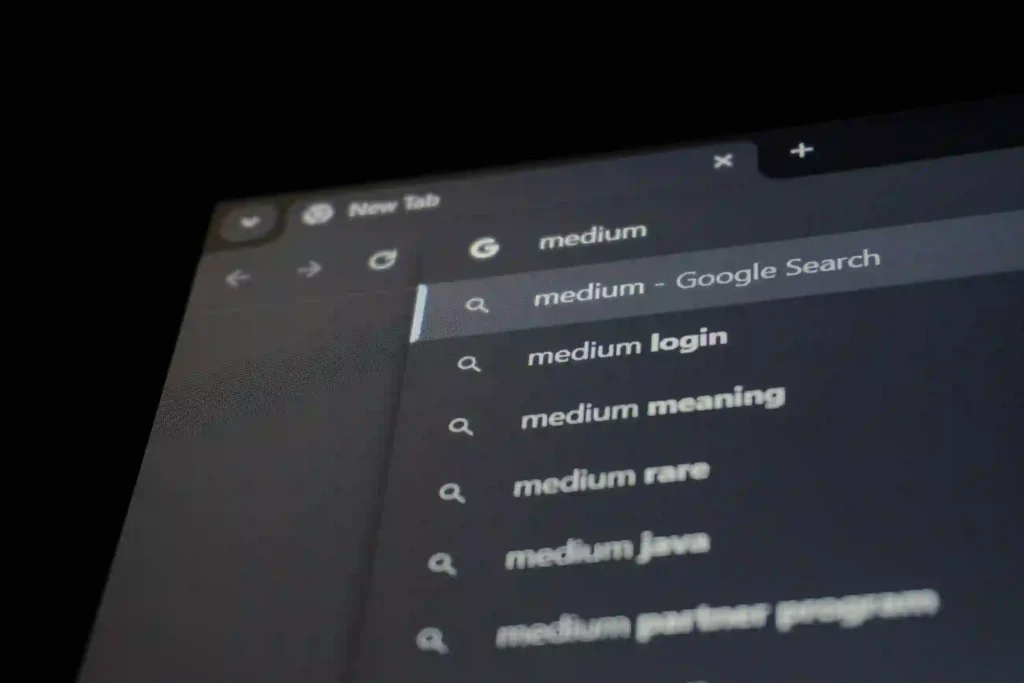
When you type a query into Google, it automatically suggests real searches people are making. At the bottom of the results page, you also get related searches.
This gives you direct insight into real user behavior without any external tool.
Google Trends
Google Trends helps you understand whether a keyword is growing, declining, or stable over time.
This is important because some keywords look good in volume but are actually losing interest. Trends helps you avoid creating content for dead topics.
How to Use These Tools Together (Simple Workflow)
Using keyword research tools separately only gives you partial information. The real value comes when you combine them into a simple workflow that helps you move from ideas to actual keywords you can rank for.
Most small businesses fail here because they jump between tools without a clear process. That leads to confusion, duplicate ideas, and wasted time.
Instead, you should follow a structured flow that keeps everything organized and actionable.
Step 1: Start with Seed Keyword
Begin with a simple base keyword related to your business.
For example:
- web design
- SEO services
- digital marketing
This is your starting point, not your final keyword. The goal here is to define a direction before expanding into more specific ideas.
Step 2: Expand Keyword Ideas
Use tools like Google Keyword Planner or Ubersuggest to expand your seed keyword into variations.
At this stage, you are collecting:
- related keywords
- long-tail variations
- question-based searches
The focus is quantity first, not filtering.
Step 3: Validate with Trends
Next, check whether your keywords are actually relevant over time using Google Trends.
This helps you avoid keywords that look good on paper but have no real search stability. You want keywords that are consistent, not random spikes.
Step 4: Filter by Intent
Finally, narrow your list based on search intent.
Ask:
- Is this informational?
- Is this someone looking to buy?
- Is this relevant to a small business owner?
Only keep keywords that match your actual content goal. This is where your SEO becomes focused instead of scattered.
Common Mistakes When Using Free Keyword Tools
Free keyword research tools are powerful, but most small business owners misuse them, which leads to weak content strategies and wasted effort. The problem is not the tools themselves, but how they are interpreted and applied.
One of the biggest mistakes is relying only on search volume. Many people assume higher volume automatically means better keywords, but that often leads them into highly competitive topics they cannot rank for.
Another common issue is copying keywords without understanding intent. Just because a keyword exists does not mean it matches what your audience actually needs. If intent is wrong, even high-traffic keywords will not bring useful visitors.
People also tend to collect too many keywords without filtering them. This creates confusion and leads to unfocused content where nothing ranks properly because everything is too scattered.
Finally, many beginners jump between tools without a clear process. Instead of building a structured workflow, they keep switching platforms and end up with inconsistent results.
The key is not just finding keywords, but knowing how to select and use them with a clear strategy that matches your content goals.
When You Should Consider Paid Keyword Tools
Free keyword research tools are more than enough when you are starting out, but there comes a point where they start to limit your depth and speed of work. Paid tools are not a requirement, but they become useful when your SEO strategy becomes more advanced and competitive.
One clear moment to upgrade is when you start targeting more competitive keywords. At that stage, you need more detailed data about keyword difficulty, backlink competition, and content gaps that free tools usually do not provide.
Another situation is when you are managing multiple websites or publishing content regularly. Paid tools help you scale research faster by giving you deeper keyword databases and automated suggestions instead of manual searching.
You should also consider paid tools when you want more accurate competitor analysis. Understanding what keywords your competitors rank for can help you find opportunities that are not visible through free tools alone.
However, the important point is this. You do not need paid tools to start. You only need them when you are ready to scale, not when you are still building your foundation.
For most small businesses, free tools combined with a consistent strategy are enough to get real SEO results in the beginning.