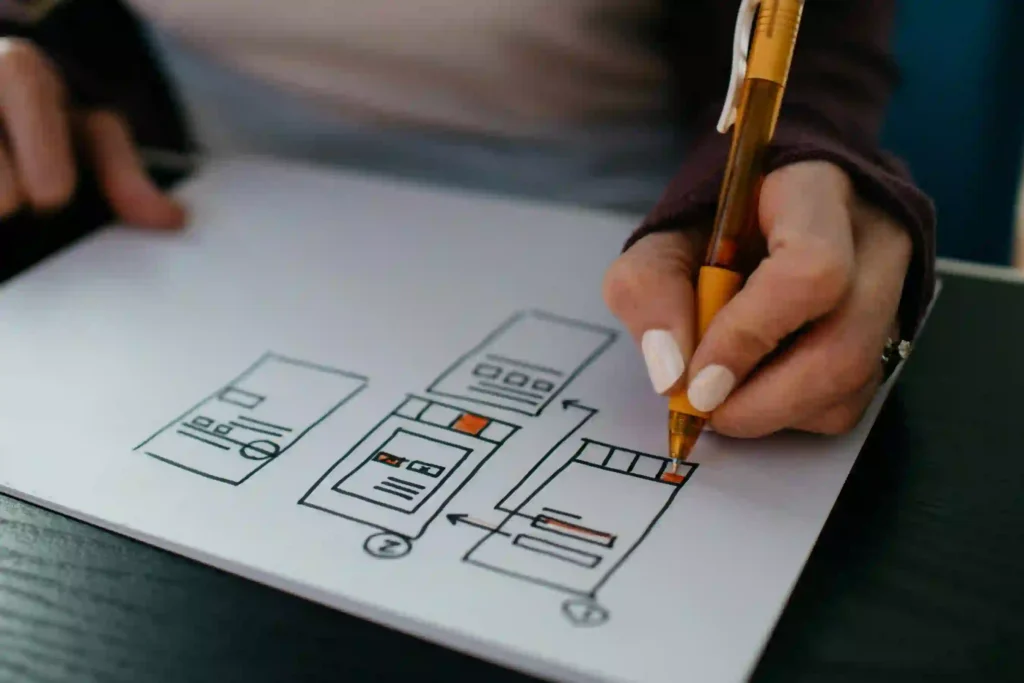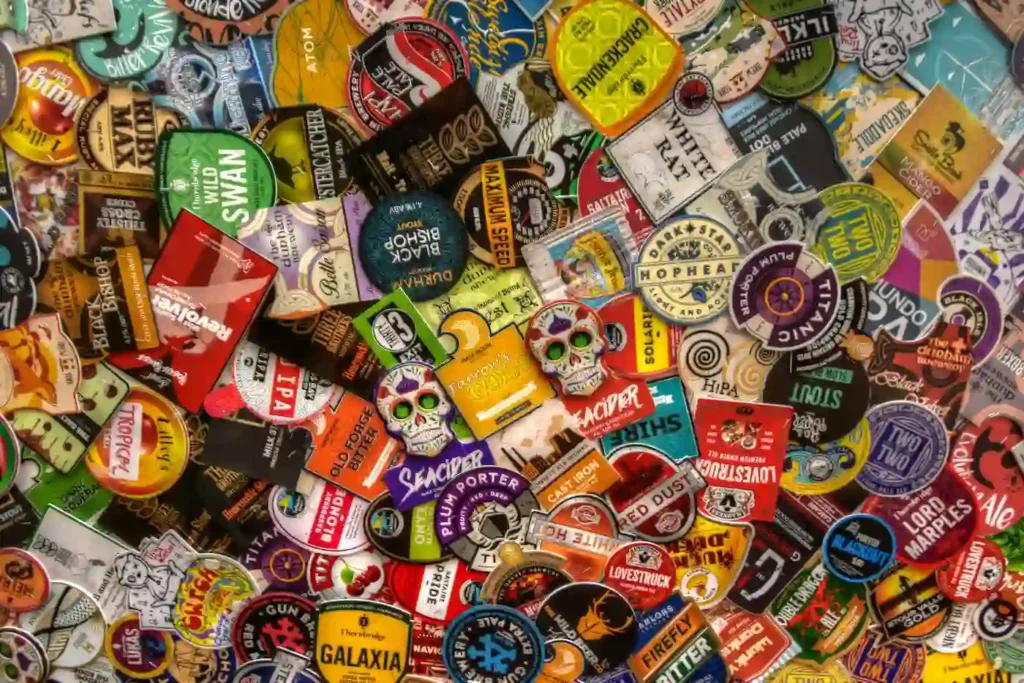

A brand identity is not created in a single design step. It is built through a structured process that connects research, strategy, and design into one system.
Most businesses only see the final visuals, but what actually creates consistency, clarity, and strong positioning is the process behind it.
This page explains how professional brand identity services are executed inside an agency workflow; from initial research to final brand system delivery.
How Brand Identity Services Work in Real Agency Projects
Brand identity services in real agency environments follow a structured workflow rather than random design decisions. The process is built to ensure every visual outcome is backed by strategy, research, and clear positioning direction.
Instead of starting with visuals, agencies begin by understanding the business, its market, and its audience. This allows the identity to be built with purpose rather than preference.
In real execution, brand identity services are treated as a system-building process. Each stage contributes to shaping how the brand will be perceived across all platforms, ensuring consistency and long-term clarity.
To understand the full structure of this system, it is important to see how each phase connects; from research to strategy and finally to design execution.
This structured approach is what separates professional branding from simple visual design work.
To see how this foundation connects with broader communication systems, explore Brand Identity Services, which explains how strategy, messaging, and design work together as a complete branding framework.
Why Process Matters in Brand Identity Design
The process behind brand identity design directly affects the quality, consistency, and scalability of the final brand system. Without a defined process, design becomes subjective and inconsistent, which weakens overall brand perception.
A structured process ensures that every decision is intentional and aligned with the brand’s positioning. It removes guesswork and replaces it with a clear workflow that connects research, strategy, and execution.
In real branding projects, process also ensures that the identity can scale across different platforms without losing consistency. This is especially important when brands expand into digital, print, and marketing environments.
A strong process does not slow down creativity; it gives it direction. It ensures that design choices are not random but are instead supported by strategic reasoning.
This is why agencies rely on structured workflows for brand identity services, as it guarantees both quality and long-term brand stability.
Brand Identity Process Overview (Step-by-Step)
Brand identity development follows a clear step-by-step structure that transforms business understanding into a complete visual system. Each stage builds on the previous one to ensure alignment between strategy and execution.
This structured workflow is what allows agencies to create consistent and scalable brand systems.
Research & Discovery
This stage focuses on understanding the business, market, audience behavior, and competitors. It defines the foundation for all strategic decisions by identifying gaps, opportunities, and positioning direction.
Key focus areas include:
- market and competitor analysis
- audience behavior insights
- brand positioning gaps
- initial opportunity mapping
Strategy Development
At this stage, the brand’s positioning, messaging direction, and core identity principles are defined. This step ensures that the brand has a clear strategic foundation before any design work begins.
Key outputs include:
- positioning statement
- messaging direction
- brand tone foundation
- identity principles
Identity Design Execution
This is where strategy is translated into visual systems. It includes logo development, typography selection, color systems, and visual guidelines that define how the brand will look across all platforms.
Key deliverables include:
- logo system
- typography system
- color palette
- brand guidelines
How Strategy Connects to Design Execution
Brand identity becomes powerful only when strategy and design work together. Strategy defines direction, while design gives it visible form. Without this connection, visuals may look good but lack meaning or consistency.
In structured brand identity services, every design decision is guided by strategic positioning. This ensures that visuals are not just aesthetic choices but communication tools that reinforce brand meaning.
In real business environments, this is why companies that invest only in logo design often struggle with recognition, while brands with aligned strategy and identity tend to scale more consistently across platforms and campaigns.
When strategy is properly connected to execution, the brand becomes easier to recognize and understand. Every visual element supports the same message, which strengthens clarity across all customer touchpoints.
To see how this strategic foundation is built in detail, explore Brand Messaging & Strategy Services, which defines how positioning and communication direction are created before design begins.
Why Process Affects Pricing and Project Scope
The cost and scope of brand identity services are directly influenced by the depth of the process involved. A more detailed process requires additional research, strategic development, and refinement stages.
Simple projects with limited process usually focus only on visual output, while advanced branding projects include full research, positioning, and system development. This difference in depth significantly affects pricing.
In real agency work, process complexity is one of the main factors that determines project value. The more structured and strategic the process, the more refined and scalable the final identity system becomes.
This is why pricing cannot be fixed universally; it is always linked to how deep the branding process goes.
For more context on pricing structure, see Brand Identity Services Cost & Pricing Breakdown, which explains how scope and process affect investment levels.
What Makes Agency-Level Brand Identity Different
Agency-level brand identity work is different because it is built on structured systems rather than isolated design outputs. Every decision is backed by research, strategy, and long-term brand positioning.
Unlike basic design work, agency processes ensure that identity systems are scalable, consistent, and adaptable across multiple platforms. This allows brands to maintain recognition even as they grow and expand.
Another key difference is the integration of strategy and execution. Agencies do not separate thinking from design; both work together as part of one system.
This approach results in stronger brand clarity, better consistency, and more effective communication in competitive markets.
What You Get in a Full Brand Identity Project
A complete brand identity project delivers more than just visual assets. It provides a structured system that defines how a brand looks, communicates, and behaves across all platforms.
This typically includes logo systems, typography, color palettes, brand guidelines, and usage rules that ensure consistency in every application.
It also includes strategic direction that connects visual identity with positioning and messaging, ensuring the brand is aligned from both a visual and communication perspective.
To understand how this connects to design execution, see Brand Identity Design Services, which explains how identity systems are built and applied.
Final Delivery and Brand System Application
The final stage of brand identity services focuses on applying the complete system across real-world platforms. This includes digital environments, marketing materials, and brand communication channels.
At this stage, the identity is tested for consistency, scalability, and clarity. Adjustments are made to ensure it performs effectively across different formats without losing its core structure.
The result is a complete brand system that is ready for long-term use, ensuring consistency and recognition across all customer touchpoints.