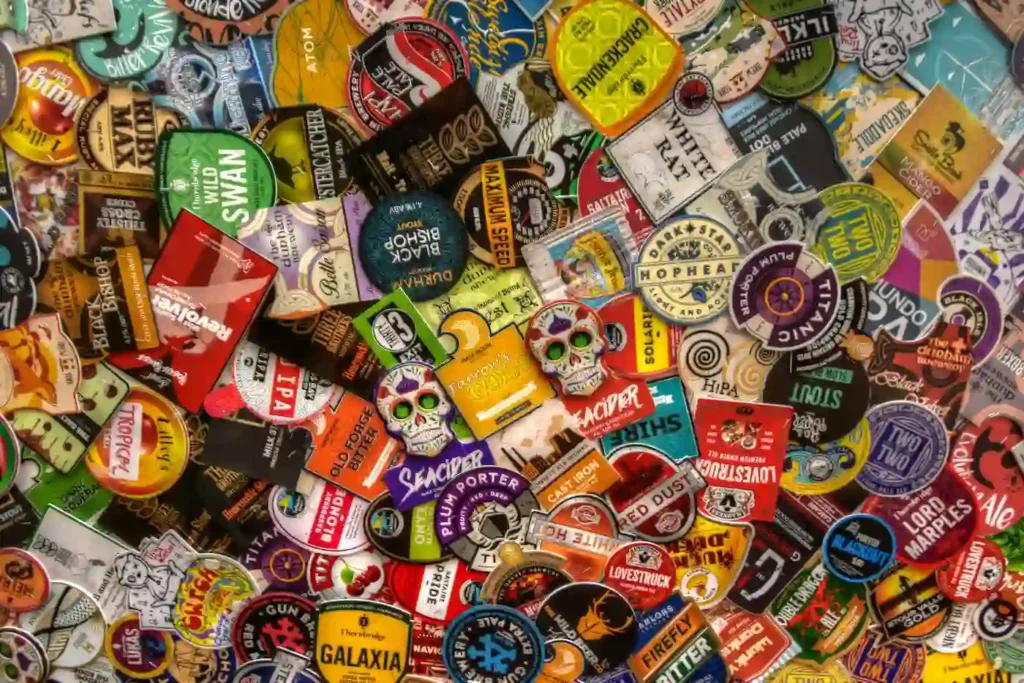

A strong brand identity is more than just a logo or a set of colors. It is a structured visual system that defines how a business appears, communicates, and stays consistent across every platform and customer interaction.
Brand identity design services focus on building that system through strategic visual elements such as logo structures, typography, color systems, brand assets, and usage guidelines.
The goal is to create a recognizable identity that supports trust, clarity, and long term brand positioning.
Modern businesses operate across websites, social media, digital campaigns, presentations, packaging, and multiple customer touchpoints.
Without a unified visual identity system, branding quickly becomes inconsistent and fragmented, which weakens recognition and perception over time.
This guide breaks down how brand identity design services work, what visual systems include, and why consistency plays a major role in building a scalable and professional brand presence.
What Are Brand Identity Design Services?
Brand identity design services focus on building the visual structure that represents a business consistently across every customer touchpoint. Instead of creating isolated design pieces, these services develop a connected identity system that supports recognition, trust, and long term brand positioning.
A professional visual identity system usually includes:
- logo structures and variations
- typography systems
- color palettes and usage rules
- visual hierarchy and brand assets
- consistency guidelines across platforms
These elements work together to ensure that the brand feels unified whether it appears on a website, social media platform, presentation, packaging, or advertisement.
Modern businesses operate across multiple digital and physical environments simultaneously. Without a structured identity system, branding often becomes inconsistent, making the business appear fragmented or less recognizable over time.
This is why brand identity design is treated as a strategic system rather than standalone graphic design work. The visual layer must align with how the brand communicates and positions itself in the market.
Understanding how these systems connect to broader branding strategy becomes much clearer inside Brand Identity Services, where the complete structure behind identity development is explained in greater depth.
Core Elements of a Visual Identity System
A visual identity system is made up of interconnected design elements that work together to create a consistent and recognizable brand presence. Instead of treating design as separate parts, a proper identity system ensures every element follows a unified structure and visual logic.
These elements are not just decorative choices. They are functional tools that define how a brand is seen, remembered, and differentiated across different platforms and customer interactions.
Logo Systems
Logo systems go beyond a single logo design. They include variations such as primary logos, secondary marks, icon versions, and responsive adaptations for different screen sizes and applications.
A strong logo system ensures the brand remains recognizable whether it appears on a website header, mobile app, packaging, or social media profile.
Typography & Color Systems
Typography and color systems define the visual tone of a brand. Typography establishes hierarchy, readability, and personality, while color systems create emotional association and consistency.
When structured properly, these elements ensure that every piece of communication feels aligned with the brand’s identity.
Brand Asset Consistency
Brand asset consistency ensures that all visual elements are applied correctly across different platforms. This includes spacing rules, layout structures, imagery style, and design usage guidelines.
Consistency is what transforms individual design pieces into a scalable and professional brand system.
Why Visual Consistency Matters in Branding
Visual consistency is one of the most important factors in how a brand is perceived and remembered. When a business maintains a unified visual identity across all platforms, it creates a sense of reliability, structure, and professionalism in the mind of the audience.
Inconsistent branding, on the other hand, creates confusion. When colors, typography, or design styles change from one platform to another, it weakens recognition and reduces the overall trust a user has in the business. People are far more likely to trust brands that feel stable and visually aligned over time.
Consistency also plays a major role in brand recall. When users repeatedly see the same visual patterns, their brain begins to associate those elements with the business, making it easier to recognize and remember in competitive environments.
This is especially important in digital spaces where attention spans are short and competition is high. A consistent visual identity ensures that every interaction reinforces the same brand message instead of diluting it.
Over time, this consistency becomes a silent advantage, strengthening both credibility and long term brand perception without needing constant explanation or promotion.
How Brand Identity Design Supports Brand Positioning
Brand identity design plays a direct role in shaping how a business is positioned in the market. While strategy defines what a brand stands for, brand identity design services translate that positioning into visible and consistent communication across all touchpoints.
A strong visual identity ensures that strategic ideas are not only communicated through words but also reinforced through design choices such as color, typography, layout, and visual hierarchy.
In professional identity work like this, these elements are structured to function as a unified system rather than isolated visuals.
This alignment between strategy and execution is what makes a brand feel intentional rather than random.
When identity and positioning work together, the brand becomes easier to recognize, understand, and trust. Every visual element begins to reinforce the same message, which strengthens overall market clarity and differentiation.
Understanding this connection in more detail is essential, especially when looking at how strategic frameworks are built. This is where Brand Strategy & Messaging becomes important, as it defines the direction that visual identity systems are built upon.
Visual Communication
Visual communication ensures that brand positioning is expressed through design rather than relying only on text. Elements such as color psychology, typography style, spacing, and imagery direction all contribute to how a brand is perceived instantly.
These visual cues help communicate tone, professionalism, and personality without needing explanation.
Perception & Market Positioning
Perception is shaped by how consistently and clearly a brand presents itself across all platforms. A well-structured identity system reinforces positioning by making the brand appear more credible, stable, and differentiated.
Over time, this consistency strengthens how the market categorizes and remembers the brand compared to competitors.
Brand Identity Systems Across Different Platforms
A strong brand identity system is designed to work consistently across multiple platforms without losing clarity, recognition, or structure.
Modern businesses operate in environments where their brand appears in many different formats, including websites, social media, digital ads, presentations, packaging, and physical materials.
In practice, each platform applies different technical constraints. For example, what works visually on a desktop website may need simplification for mobile screens, while print materials often require different spacing, scaling, and color adjustments.
Despite these differences, the identity system ensures the core structure remains consistent across all environments.
Without a structured system, brands often end up with fragmented visuals where each platform feels slightly different. This weakens recognition and makes the brand harder to remember over time.
A properly designed identity system solves this by defining adaptable rules for how visual elements behave across contexts. The goal is not to repeat the same design everywhere, but to maintain a unified identity even when formats change.
This is what allows brands to scale across platforms while keeping a consistent and recognizable visual presence in every environment.
How Brand Identity Design Projects Are Executed
Brand identity design projects follow a structured process that ensures the final system is not only visually strong but also strategically aligned with the business goals.
Instead of starting directly with design, the process begins with understanding the brand, its market, and its positioning needs.
This structured approach ensures that every visual decision is backed by research and purpose rather than personal preference or isolated creativity. The outcome is a consistent identity system that can scale across different platforms and applications.
A complete brand identity project moves through multiple stages, from research and strategy definition to design development and final system application.
Each stage builds on the previous one, ensuring that the final result is both functional and aligned with the brand’s long term direction.
To understand this process in more depth, including how agencies structure and deliver branding projects, you can explore Brand Identity Services Process & Agency Approach, which breaks down the full workflow in detail.
Research & Direction
The first stage focuses on understanding the brand, its audience, and its market position. This includes analyzing competitors, defining goals, and establishing the strategic direction that will guide all design decisions. Strong research ensures the identity is built on clarity rather than assumptions.
Design Development
In this stage, the visual identity begins to take shape through logo exploration, typography selection, color system creation, and layout structures. The goal is to translate strategic direction into a coherent visual system that reflects the brand’s positioning accurately.
System Application
The final stage involves applying the identity across real-world platforms such as websites, social media, marketing materials, and presentations. This ensures consistency and tests how the system performs across different environments while maintaining visual alignment and recognition.
Is Professional Brand Identity Design Worth It?
Professional brand identity design is worth it because it directly influences how a business is perceived, remembered, and trusted in the market. A well-structured identity system creates consistency across every customer interaction, which strengthens recognition and builds long term credibility.
Without a proper identity system, businesses often rely on inconsistent visuals that change across platforms. This weakens perception and makes it harder for audiences to form a clear understanding of the brand.
A professional approach ensures that every visual element is intentional, aligned with strategy, and built to support long term growth.
It is not just about aesthetics, but about creating a stable foundation for communication, marketing, and positioning.
Over time, this consistency becomes a competitive advantage, helping businesses stand out in crowded markets where attention and trust are limited.